

Damaged Skin
Rapid repair of damaged (post-surgical, burn, acne etc) wound healing with associated minimal scarring, dry and ageing skin remains a concern and a need for treatment.
There are three main overlapping phases: inflammation, proliferation and maturation.
During the healing process, cells migrate to wound sites where they proliferate and synthesise extracellular matrix components in order to reconstitute a tissue resembling the original. This activity is regulated by cell growth factors and cytokines secreted from the cells at the wound border. Disruption of the skin barrier (wounding) and/or age depletes these growth factors, leading to a reduction in cell growth and overall health resulting in poor healing and scar formation.
Human skin consists of an upper layer – the epidermis – which is exposed to the environment, with a deeper layer, the dermis. The synergistic interaction of multiple growth factors with other proteins in the epidermis and dermis result in skin repair and regeneration. No single growth factor is solely determinant in the outcome of skin rejuvenation. When the skin layers are breached, the priority is to close the wound as rapidly as possible, which starts with the body’s immune response to move blood cells and skin cells towards the wound. At this time, increased amounts of transforming growth factor beta (TGF-β) are released from the surrounding cells, which controls the inflammatory response and starts the process of wound healing.
The next priority is to ensure the movement of skin cells (migration) towards the wound and their subsequent multiplication (proliferation) at the site. Insulin-like growth factor (IGF) is one of the chief agents of these processes and specifically activates the keratinocyte cells in the skin’s upper epidermal layer to multiply and migrate into the wound site to ensure closure. Resident fibroblast cells of the dermis are activated to produce collagen.
Finally, a process that takes place over a number of years is skin maturation and renewal through further activation of the fibroblasts – under the influence of TGF-β. These cells not only move towards the wound site but produce collagen and other factors allowing for a renewed skin and a reduction in the amount of scarring associated with the wound.
Thanks to modern chemistry and molecular techniques, Growth Factors can be manufactured synthetically using a technique called transient gene transfer, the genes that code for the human growth factors can be transferred in a laboratory setting to the leaves of plants. These plants – such as N. Benthamiana specimens (a relative of the wild tobacco species) – are then used as “bio-factories” to produce high, pure yields of the human growth factors in a very short timeframe. These are then harvested in a laboratory setting, further purified and tested intensively to ensure that they perfectly mimic the human growth factor.
Treatment
Aɘsthet Recovery Serum Sanitatem with growth factors applied several times daily addresses the need to speed up the biological skin recovery of damaged tissue, dry skin and an anti-ageing treatment.
Dry & Irritated Skin
Dry, tight and irritated skin are common. This condition is normally an indication of our skin barrier being impaired, not functioning properly and causes our skin to react.
What is the Skin Barrier?
Our skin barrier the outermost layer of our skin cell, as well as the lipid matrix of our skin which is responsible for holding our cells together. The function of our barrier is to help retain moisture and defend our skin against external irritants like bacteria and environmental debris from penetrating through our skin causing sensitive reactions. Our skin barrier is made out of lipids that bind our skin cells together, and when these all intact our skin feels soft, calm and healthy. The skin of an intact barrier will be plump, smooth, radiant and soft.
What happens when the skin barrier gets damaged?
When our skin barrier is damaged/impaired, small invisible cracks are created on our skin, moisture escapes the skin and it allows irritants to enter our skin. This causes our skin to become more reactive and leads to tight, dry and sensitive skin.
Symptoms of an impaired skin barrier:
- Redness
- Rosacea
- Flakiness
- Peeling
- Dryness from the lack of oil in the skin
- Dehydration from the lack of water in the skin
- Tightness due to the dehydration.
- Skin feels sensitive and gets easily irritated
- Itchiness
- Rough skin to the touch
- Stinging or burning sensation when products are applied
- Crepiness and fine lines
- Skin rashes like eczema (atopic dermatitis)
- Increased breakouts
What causes damage to our skin barrier?
- Over Exfoliation of the skin
- Harsh cleansing products
- Topical prescription products for the treatment of acne
- Alcohol-based toners
- No sun protection
- Daily use of acidic ingredients
- High concentrations of essential oils and citrus oils.
- Smoking
- Dry climate
- Long airplane flights
- Air conditioners
- Medications …..
To mention a few.
How can you repair your impaired skin barrier?
Treatment
Home
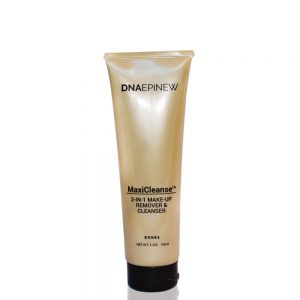
- Cleanse with DNA Maxi Cleanse and Aesthet Foaming Cleanser
- Apply Aesthet Recovery Serum Sanitatum
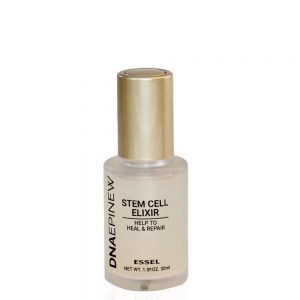
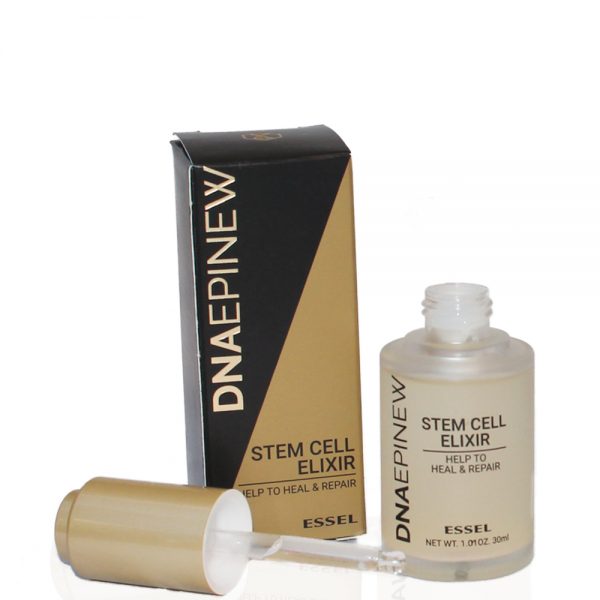
- Apply DNA Stem Cell Elixir
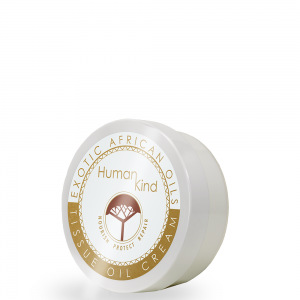
- Apply Humankind Tissue Oil Cream
Beauty Clinic
- Facial
- Cleanse with DNA Epinew Maxi Cleanse and Aesthet Foaming Cleanser
- Apply Aesthet Ezymatic Keratopeel
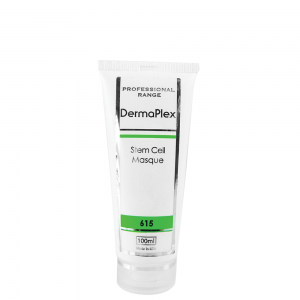
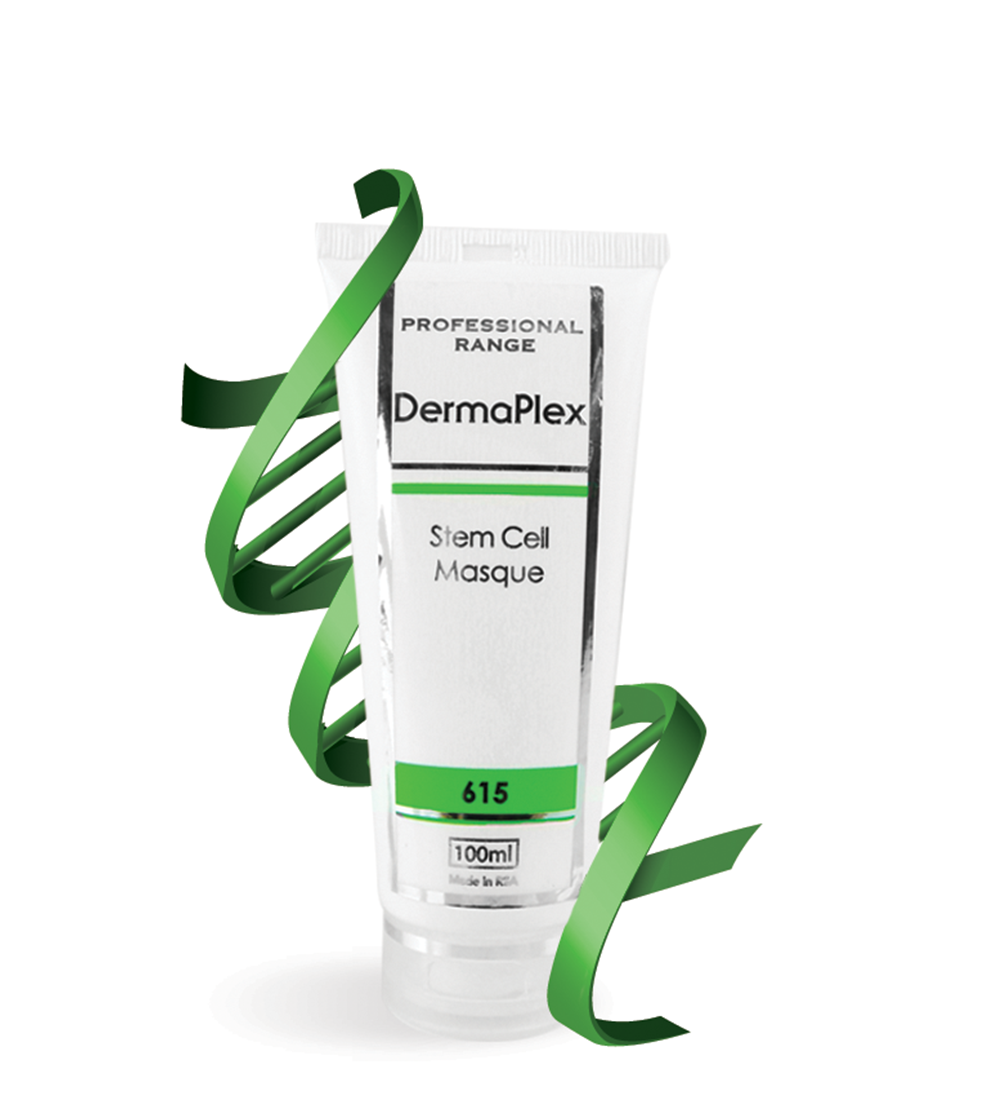
- Apply Stem cell mask and massage gently
- Massage the face with Humankind Tissue Oil Cream
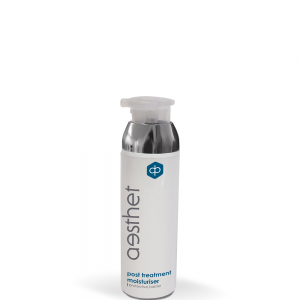
- Apply Aesthet Post-treatment moisturizer
- Apply sun protection SPF 30
2. Mesotherapy
- Cleanse with DNA Epinew Maxi cleanse to remove make-up.
- Cleanse using the Aesthet Foaming Cleanser
- Combine Aesthet Recovery Serum Sanitatum and DNA Epinew Stem Cell Elixir and preform Mesotherapy treatment
- Apply DNA Epinew Wrinkle Relaxant to the skin (If Acne Rosacea is present, apply DermaPlex Blemish Free Gel to the affected areas)
- Treatment can be combined with * Aesthet Enzymatic Keratopeel. (Recommended before Mesotherapy)
- Treatment should be every 2-4 weeks
*Aesthet Enzymatic Keratopeel is a natural way to mild biological peeling and renewal of cells without skin irritation. Asthet Enzymatic Keratopeel selectively eliminates dead skin cells by a gentle enzymatic peeling to smooth the skin surface and promote cell renewal. Aesthet Enzymatic Keratopeel is a safe type of enzymatic exfoliation which does not require harsh conditions such as abrasion and a highly acidic pH and therefore is suitable for all skin types, including sensitive and fragile skin. Helps with moisture/hydration in the skin and elevates dryness associated with Rosacea.