

Eczema
Eczema is one of the most common skin conditions, however, most cases are either miss diagnosed or have the incorrect treatment plan.
Eczema is a condition whereby patches of skin become inflamed, itchy, red, cracked and rough. Blistering may appear in severe cases.
Most forms of eczema are triggered by certain foods, chemicals and stress levels. Eczema is not curable however, treatment generally focuses on controlling the symptoms associated with eczema.
Types
There are 7 types of eczema:
- CONTACT DERMATITIS
Skin becomes red and irritated due to a reaction to substances touched.
There are two types,
- A) allergic contact dermatitis, which is an immune reaction to an irritant like latex.
B) irritant contact dermatitis, when a chemical irritates the skin.When treating contact dermatitis is is important to understand that anything topically applied, which stimulates the skin, WILL worsen the condition. Patients should take some sort of antihistamine medication. Topical cortisone is also typically recommended.
- DYSHIDROTIC ECZEMA
Small blisters appear on the hands and feet, common causes are allergies, damp skin and high levels of stress,
- HAND ECZEMA
Flair-ups only occur on the hands, this type of eczema is associated with jobs where hands are exposed constantly to chemicals, like hairdressing.
- NEURODERMATITIS
An aggressive form of eczema associated with high levels of stress.
- NUMMULAR ECZEMA
Round coin-like spots, common causes are adverse reactions to insect bites or aggressively dry skin. This type is often confused with Impetigo to the untrained eye.
- STASIS DERMATITIS
Fluid leaks from weakened veins into the skin resulting in red, itchy, swollen areas. Most common in areas of poor blood circulation in areas such as the lower limbs. This is also common in patients with blood circulatory disorders such as varicose veins.
- ATOPIC DERMATITIS
This is the most common form of eczema. Most patients will experience flair ups before the age of five. 50% of patients will carry the condition into adulthood, those that don’t, generally experience very sensitive skin.
Treatment
3 steps to treating Eczema
BUILD THE SKIN
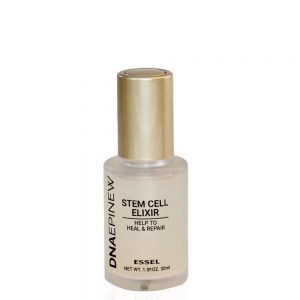
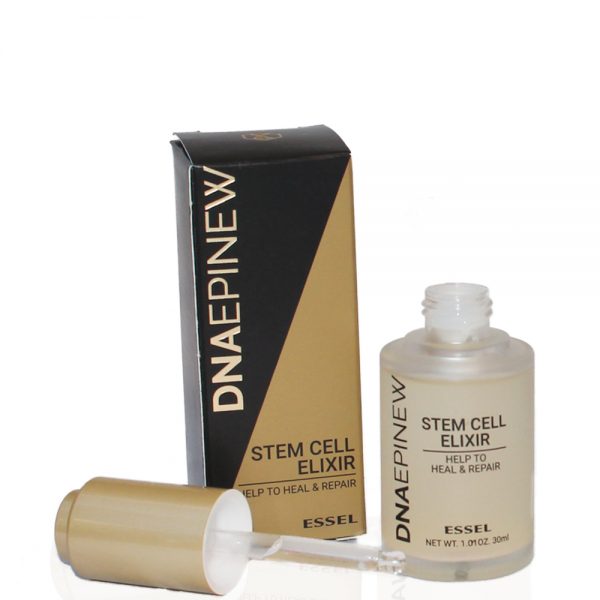
- Apply DNA Epinew Stem Cell Elixir incorporates plant-based stem cells to stimulate cell turnover, thereby improving skin function.
BUILD THE SKIN BARRIER (repair the lipid layer)
Patients with eczema have a compromised barrier.
- Apply Human Kind tissue oil is composed of 75% essential fatty acids, which builds the lipid layer on the skin.
TREAT THE SYMPTOMS
- Apply DNA Epinew Stem Cell Elixir is a sugar-based serum which helps hydrate the skin, this provides a “comfort” feeling for the dry and cracked symptoms of eczema.
- Apply Human Kind Tissue Oil Cream is composed of a few different African oils, including Baobab, which is an analgesic which assists to alleviate the “itch” associated with eczema.
MOISTURISE
The most common problem that eczema patients deal with is how to moisturise the face without developing irritations caused by the active ingredients in the creams.
- Apply DermaPlex Dry Sensitive Moisturizer is designed as an anti-inflammatory and anti-irritant while providing sufficient moisture.
- Apply DNA Epinew Wrinkle Relaxant is ideal for the patient who prefers a richer cream, generally older patients who desire a combination of anti-aging as well as anti-irritant.
- DNA Epinew Wrinkle Relaxant provides wrinkle reduction, plumps the skin while delivering anti-irritant properties.
Beauty Clinic
Aesthet Enzymatic Keratopeel incorporates pure enzymes which is a safe alternative to chemical peel treatments.
Virtual Mesotherapy like the MesoSkin machine is a safe alternative to traditional mesotherapy, which tends to aggravate eczema.
Note
Beauty Clinic treatments for eczema patients become very tricky as some practitioners prefer not to recommend in-practice (Beauty Clinic) treatments. This is understandable as most Beauty Clinics use chemical peeling treatments which are strictly contraindicated for eczema patients.
Sensitive Skin
Some of us suffer from very sensitive skin and experience “flair ups” known as Rosacea.
Rosacea is a long-term chronic, inflammatory skin condition that mainly effects the face. Rosacea appears on the central region of the face, usually the forehead, cheeks, chin, and the lower half of the nose. It is commonly seen in woman and lighter skin types however when it does appear in men, the symptoms often appear much worse. Rosacea is often mistaken for acne, eczema or skin allergy.
Types
There are four types of Rosacea:
- Erythematotelangiectatic rosacea (ETR), is associated with facial redness, flushing, and visible blood vessels.
- Papulopustular (or acne) rosacea, is associated with acne-like breakouts, and often affects middle-aged women.
- Rhinophyma, this is a very rare form of Rosacea and is often associated with thickening of the skin on the tip of the nose. Rhinophyma is very often associated with another type of Rosacea. This type of Rosacea normally effects men.
- Ocular rosacea, this type of rosacea symptoms are centred around the eye area.
Stages
There are four stages of Rosacea:
- Pre-rosacea phase (Phase 1):
In this stage the skin on the cheeks and nose becomes flushed and has a stinging sensation.
- Vascular phase (Phase 2):
Commonly named Telangiectasia. The skin will be swollen with a red appearance. Small blood vessels will be visible just below the surface of the skin.
- Inflammatory phase (Phase 3):
Small pimples will develop on the skin surface, sometimes they will be filled with some pus.
- Late phase (Phase 4):
This phase does not always occur in everyone. The skin around the nose occasionally thickens, making it look red and bulbous (called rhinophyma)
Symptoms
Typical signs and symptoms of Rosacea:
- Facial flushing
- Blushing
- Skin redness (erythema)
- Burning
- Red bumps and pustules
- Small cysts
- Thickening of the facial tissue, especially the nose
- Eye problems, swollen red eyelids-rosacea keratitis
- Dry, rough scaly skin
- Tiny Broken Blood Vessels
- Yellow-orange patches
Treatment
Home
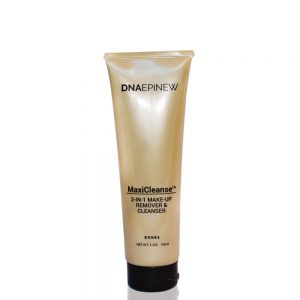
- Cleanse with DNA Epinew Maxi cleanse (It is important to use a very gentle cleanser, that won’t aggravate the skin)
- Apply DNA Epinew Stem Cell Elixir
- Apply DNA Epinew Wrinkle Relaxant
Additional products that can be added to the homecare regime:
- Apply DermaPlex Blemish Free Gel (When Acne Rosacea is present)
- Apply Aesthet Hyaluronic Flash Filler
- Apply DermaPlex Dry/Sensitive Moisturiser
- Apply Humankind Tissue Oil Cream
Beauty Clinic
- Virtual Mesotherapy
- Cleanse with DNA Epinew Maxi Cleanse to remove make-up.
- Cleanse with Aesthet Foaming Cleanser
- Combine Aesthet Recovery Serum Sanitatum and DNA Epinew Stem Cell Elixir and preform Virtual Mesotherapy treatment
- Apply DNA Epinew Wrinkle Relaxant. (If Acne Rosacea is present, apply DermaPlex Blemish Gel to the affected areas)
- Treatment can be combined with * Aesthet Enzymatic Keratopeel (Recommended before Virtual Mesotherapy)
- Treatment can be done every 2-4 weeks
*Aesthet Enzymatic Keratopeel is a natural way to mild biological peeling and renewal of cells without skin irritation. Asthet Enzymatic Keratopeel selectively eliminates dead skin cells by a gentle enzymatic peeling to smooth the skin surface and promote cell renewal. Aesthet Enzymatic Keratopeel is a safe type of enzymatic exfoliation which does not require harsh conditions such as abrasion and a highly acidic pH and therefore is suitable for all skin types, including sensitive and fragile skin. Helps with moisture/hydration in the skin and elevates dryness associated with Rosacea.
Note
Other treatments for Rosacea are:
- Avoid any triggers
- Topical Antibiotics
- Laser Therapy
- Reduce Stress
- Apply Sun Protection
- Follow a Good Skincare regime
Detoxing
- Detoxification is the removal of toxic substances from a living body.Detoxing is a very vague subject, one we constantly insist on trying new methods to achieve the “best” detox. Very few people understand toxins and the role they play in the body and skin.
FREE RADICALSAre widely spoken about yet not well understood. Free radicals are unpaired ions. They are unstable molecules which are very dangerous as they take electrons from stable “healthy” atoms. This breaks down and destroys cells over time resulting in everything from diseases to premature ageing.
Free radicals are produced by the body, moreover, as the body ages, it loses the ability to naturally destroy free radicals. The result is a more free radical formation, and therefore more oxidative stress* and finally more aggressive premature aging.
*Oxidative stress is when oxygen molecules split into single atoms, becoming free radicals.ANTIOXIDANTS are chemicals that lessen and prevent the effects of free radicals because they have more electrons and can “donate” electrons to free radicals thereby stabilizing them.Free radicals are directly linked to ageing and therefore it becomes important to detox the skin by supplying ANTIOXIDANTS to the skin. This will prevent premature ageing and enhance skin function.Signs of aggressive toxin build up in the skin- Dull, sallow complexion
- Wrinkles and sagging skin
- Congestion
- Hyper Pigmentation in the form of lipofusin* pigment*Lipofusin is a toxin build-up in the skin resulting in a yellow-brown pigment typically known as age spots. This is due to oxidized proteins and lipids.
Treatment
Home
- Treat
- Apply DNA Epinew Skin Tone Corrector to the affected areas which targets lipofusin pigment. It uses plant extracts, all of which are antioxidants, including malted barley which is high in natural ferulic acid (a well-known antioxidant which also enhances other antioxidants).
Vitamin C is the most common antioxidant as well as one of the most effective. Vitamin C is quickly absorbed into the skin and in some cases has a very short reaction time (only active for 15minutes). Vitamin C is also known for causing skin irritations due to its rapid absorption rate.
- Apply DNA Epinew Vitamin C Oil which contains 14% Vitamin C and has been uniquely formulated in an oil base to create a “slow-release” of Vitamin C. This ensures a longer active period and less irritating on the skin.
- Control
Moisturizers that are antioxidants are common, however, most don’t deliver the required results, this can be due to conflicting active ingredients or the size of the molecules.
- Apply DermaPlex Normal Combination SPF 20. DermaPlex Normal Combination combines the latest technology with the most sort after ingredients such as Dermocean which is a marine extract aggressive in antioxidants that are heat and light-activated.
- Apply DermaPlex Nanovitamin Mask weekly as a night cream. The mask consists of ingredients to detox and boosts the skins function and immunity.
- Prevent
Lifestyle factors like pollution, smoking, alcohol consumption, poor diet and excessive sun exposure will increase free radicals in the body and skin. The most important “prevention” is to ensure a healthy lifestyle. The second is to apply a suitable sunscreen and reapply regularlly.
The frequency of reaplication of sunscreen will depend on the skin type and the amount of SPF in the sunscreen.
- Apply DNA Epinew Sun Protection Cream SPF 30 which is nongreasy with a light moisturizing effect.
- Reapply DNA Epinew SPF 50 Spray which is ideal for men as it is light and convenient and also great for ladies to reapply over makeup.
Know your skin:
If it takes 10min for the skin to burn in the sun naturally, then multiply the SPF factor by 10 giving the total minutes the sunscreen will be protecting the skin, before it needs to be reapplied.
Fitzpatrick Scale
Skin type 1 and 2 on average 5 to 10 min
Skin type 3 on average 10 to 15 min
Skin type 4 on average 15 to 20 min
Skin type 5 and 6 on average 20 to 25min
Beauty Clinics
In-practice (Beauty Clinics) treatments should include gentle chemical peels using Aesthet Expert Peel. All forms of mesotherapy from conventional to virtual mesotherapy are recomended.
Note
Understanding free radicals and their effect on aging, as well as following a good detoxing routine will prevent premature ageing.